
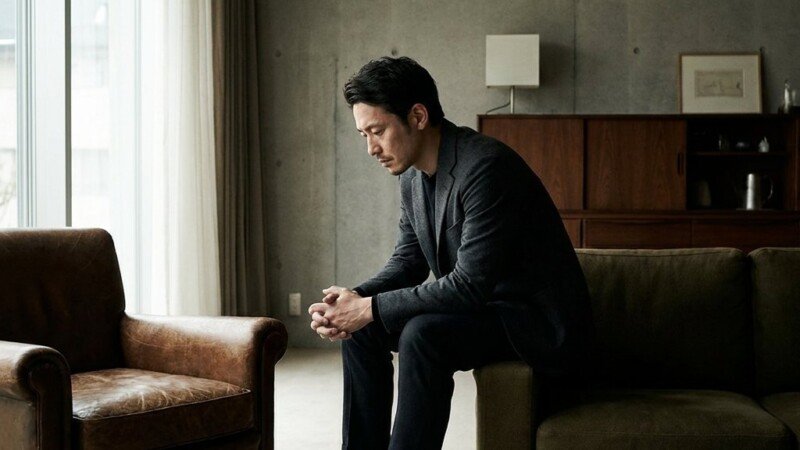
Emotional avoidant man

An emotional avoidant man can feel intensely present one week and unreachable the next. He enjoys closeness, chemistry, and companionship, then pulls back when the relationship asks for vulnerability, consistency, or depth. That doesn’t mean he doesn’t care — it means closeness activates a protection pattern. Care without capacity still hurts. The question isn’t whether feelings exist, but whether there’s enough honesty, maturity, and action to build trust.
Table of contents
- 1Why closeness makes him pull back
- 2Signs you are dealing with an emotionally avoidant man
- 3Why emotional avoidance develops
- 4Common triggers that make him shut down
- 5How an avoidant man shows love
- 6The anxious-avoidant loop that keeps both people stuck
- 7How to deal with an emotionally avoidant man without losing yourself
- 7.1Speak in clear requests, not emotional fog
- 7.2Give space with structure, not endless access
- 7.3Watch repair, not just attraction
- 7.4Keep your own center
- 8How to get an avoidant man to open up
- 9Can you make an avoidant man choose you?
- 10When to stay and when to walk away
- 11If you are the emotionally avoidant man
- 12What matters now
- Show more...
Key takeaways
- Look for patterns: warmth after closeness followed by distance, vague commitment, and weak repair.
- Love is not the same as capacity; judge behavior and follow-through over explanations.
- Give space with structure; make one clear ask and watch consistency over time.
- Avoid the anxious–avoidant loop; keep your own center, routines, and boundaries.
- Stay if he owns the pattern and changes; step back from chronic ambiguity.
Why closeness makes him pull back
When people search for an emotional avoidant man, they are usually describing a man with avoidant attachment, often a dismissive avoidant attachment pattern. He values independence, downplays needs, and feels safer when he stays in control of how close things get.
In practice, that means he can look confident, self-contained, and even magnetic. He may be good at work, clear in a crisis, and comfortable handling life alone. But emotional intimacy is different. The deeper the bond gets, the more exposed he feels. Instead of saying, "I am scared," he often says nothing and creates distance.
That distance can look like slow replies, less affection, keeping conversations superficial, getting overly focused on work or hobbies, avoiding labels, or acting irritated when you ask for more connection. A dismissive avoidant man in love can still do this. Feelings do not automatically give him the skills to stay open.
It is also worth saying that not every quiet or private man is emotionally avoidant. Some men are simply reserved. Avoidance becomes the issue when withdrawal is chronic, intimacy feels unsafe, and emotional responsibility is repeatedly dodged.
Signs you are dealing with an emotionally avoidant man
One moment does not define a pattern. Look for repeated behavior, especially when the relationship becomes more real.
| Sign | How it often shows up | What it usually points to |
|---|---|---|
| He pulls away after closeness | Things feel warm, intimate, or promising, then he goes quiet or distant | Intimacy triggers discomfort, so he regulates through space |
| He shares information but not feelings | He talks about work, plans, or opinions, but rarely names fear, hurt, or need | Emotional exposure feels risky |
| He is highly self-reliant | He insists he has everything handled and resists depending on anyone | Neediness is associated with loss of control or shame |
| He becomes defensive around emotional requests | A simple request for reassurance feels to him like pressure or criticism | Closeness is interpreted as demand |
| He avoids hard conversations | He changes the subject, shuts down, gets logical, or disappears | Conflict and vulnerability overwhelm his capacity |
| He keeps the relationship vague | He enjoys connection but resists defining where things are going | Commitment raises the stakes of intimacy |
| He returns as if nothing happened | After distance, he acts normal without discussing the rupture | He wants reconnection without the discomfort of repair |
The strongest sign is not that he needs space. It is that he uses space to avoid emotional accountability.
Why emotional avoidance develops
Most emotionally avoidant patterns are learned, not random. Somewhere along the way, a man absorbed the message that emotions were inconvenient, unsafe, weak, or simply unwelcome. Maybe caregivers were distant. Maybe he had to grow up too fast. Maybe love came with criticism, inconsistency, pressure, or shame. Maybe heartbreak taught him that staying open costs too much.
So he adapted. He became competent instead of vulnerable, controlled instead of transparent, independent instead of truly connected. From the outside, that can look strong. On the inside, it often means he never learned how to stay present when intimacy brings up discomfort.
This is where attachment language is useful. A dismissive avoidant man is not bad at love by nature. He is organized around protection. But understanding the origin of the pattern is not the same as excusing the pattern. If his history explains why he withdraws, it still does not make mixed signals, stonewalling, or emotional neglect healthy to tolerate forever.
Common triggers that make him shut down
An avoidant man usually does not withdraw at random. Something inside him reads the moment as too much, too close, too exposing, or too demanding.
- Criticism. Even calm feedback can land as proof that he is failing, disappointing, or being controlled.
- Pressure for more closeness. Repeated requests for deeper talks, more time, or more reassurance can trigger the urge to create distance.
- Feeling depended on. If he senses that your emotional stability rests entirely on him, he may feel trapped rather than connected.
- High emotional intensity. Tears, conflict, long processing conversations, or urgent texting can overwhelm his capacity quickly.
- Loss of autonomy. A packed social schedule, constant contact, or an unspoken expectation to merge can feel engulfing.
- Shame. If he feels inadequate, confused, or not man enough, he may disappear instead of admitting it.
- Relationship milestones. Labels, exclusivity, meeting family, moving in, or future planning often intensify avoidance.
A trigger explains the shutdown. It does not justify handling it poorly.
Understand True Masculinity
How an avoidant man shows love
This is where many people get confused. An avoidant man in love may not love in a loud, verbally fluent, emotionally polished way. He may show care through practical support, reliability in small things, remembering details, making time in his routine, or including you in spaces he normally keeps private.
A dismissive avoidant man in love may also soften his boundaries over time. He lets you see more of his inner world. He tolerates more closeness without immediately escaping. He shares fears he normally hides. He comes back after space and actually repairs what happened instead of pretending nothing happened.
But do not lower the bar too far. Love is not just hidden feeling. Love has to become behavior. If he says he cares but stays chronically unavailable, refuses hard conversations, or only reaches for you when it suits him, you are not dealing with deep love that merely looks different. You are dealing with limited capacity, and that difference matters. If you are unsure, review the signs of an emotionally unavailable man.
The anxious-avoidant loop that keeps both people stuck
Many relationships with an emotional avoidant man become painful not just because he withdraws, but because his withdrawal triggers the other person's fear of losing connection. Then both people start reacting instead of relating.
- You feel distance and reach harder for reassurance, clarity, or contact.
- He feels pressure and retreats to get relief.
- You feel the retreat as rejection and escalate your pursuit.
- He experiences even more overwhelm and distances further.
- You reconnect later, but without real repair, so the same cycle starts again.
This loop can feel intense, addictive, and strangely romantic because there are real emotions involved. But intensity is not intimacy. If you are always reading his mood, chasing certainty, or proving your worth, the relationship is training your nervous system to live in reaction. That is not love at its best. It is a pattern asking to be interrupted.
How to deal with an emotionally avoidant man without losing yourself
Speak in clear requests, not emotional fog
Ambiguous frustration usually makes an avoidant man shut down faster. Say what you actually need. "I want more consistency" is clearer than sending three paragraphs loaded with pain and hoping he reads between the lines. Calm, direct language gives the conversation a better chance of landing.
Give space with structure, not endless access
Space can be healthy. Disappearing is not. If he needs a day to regulate, fine. But healthy space includes communication and return. A useful standard sounds like this: "If you need space, tell me that directly and tell me when we will reconnect." That protects both autonomy and trust.
Watch repair, not just attraction
Chemistry can hide weak relational skills for a long time. The real question is not whether he feels strongly. It is whether he can take responsibility after distance, name what happened, and move toward you again with more honesty. Repair is what turns feelings into safety.
Keep your own center
If your entire emotional world rises and falls with his availability, the dynamic will consume you. Keep your routines, friendships, standards, and self-respect intact. You do not love an avoidant man well by making yourself smaller, easier, or endlessly understanding. You love well by staying warm, clear, and boundaried.
How to get an avoidant man to open up
You do not pry an avoidant man open. You create the conditions where honesty feels safer than performance, and then you watch what he does with that chance.
Ask simple, present-tense questions instead of demanding his whole emotional biography. Try, "What happens for you when we get close and then you pull back?" or "Do you need space right now, or are you avoiding the conversation?" That is direct without being dramatic.
When he tells the truth, do not punish the honesty itself. If he says, "I shut down when I feel pressured," that does not mean you accept bad behavior. It means you respond to the truth cleanly instead of attacking him for finally admitting it.
And be honest with yourself too. If months pass and he still will not name feelings, take accountability, or stay in the conversation, you are not watching a man slowly open. You are watching a man stay defended.
Can you make an avoidant man choose you?
No. You cannot make an avoidant man choose you by being more patient, more sexual, less needy, more spiritual, or easier to disappoint. You cannot love him so perfectly that he becomes available against his will.
Choice comes from capacity, values, and willingness. An avoidant attachment man changes when he becomes more honest than defended, more responsible than comfortable, and more committed to truth than to control. Your job is not to manage that process for him. Your job is to see clearly, communicate clearly, and decide what kind of relationship you are actually available for.
When to stay and when to walk away
Not every avoidant pattern means the relationship is doomed. Some men are self-aware, accountable, and willing to grow. Others want the comfort of connection without the weight of relationship. Those are not the same man.
| Stay and work on it if... | Step back if... |
|---|---|
| He can name the pattern without blaming you for all of it | He turns every concern into proof that you are too much |
| He takes space and comes back when he said he would | He disappears, breadcrumbs, or keeps you in chronic ambiguity |
| He repairs after shutdowns and adjusts behavior over time | He wants instant forgiveness without any change |
| He respects your boundaries even when they challenge him | He uses his past, stress, or attachment style as a free pass |
| He is actively doing inner work and becoming more available | He resists all accountability and expects you to keep adapting |
One more thing matters here. Compassion never requires self-abandonment. If the relationship is shrinking your self-trust, keeping you anxious, or normalizing emotional starvation, walking away may be the healthiest form of clarity.
If you are the emotionally avoidant man
If you recognize yourself in this, stop hiding behind the story that you are just independent. Independence is powerful. Emotional evasion is not. If you keep pulling away from good connection the moment it gets real, you are not protecting peace. You are protecting a defense.
Real masculine strength is not coldness. It is the capacity to tell the truth before distance does it for you. It is staying present long enough to name your fear, your shame, your need for space, or your uncertainty without vanishing into silence, work, sex, or control.
Start here:
- Notice your shutdown early, before you disappear.
- Say what is happening in plain language, even if it is uncomfortable.
- Practice staying in emotionally real conversations a little longer than your reflex wants.
- Let closeness be a skill you build, not a threat you obey.
You do not need to become softer in a performative way. You need to become more honest, more grounded, and more emotionally clean. That is where authentic confidence comes from.
If you want structured support to build these skills, explore Emotional availability coaching for men.
What matters now
An emotional avoidant man is not impossible to understand. He is often easier to understand than he is to build with. The pattern is simple: closeness stirs fear, fear creates distance, distance damages trust. The only thing that breaks that cycle is truth plus action.
If you are dating him, stop confusing potential with partnership. If you are the man in this pattern, stop confusing control with strength. SoulfulMagnet's approach blends deep feminine insight with masculine psychology to help men build radical honesty, emotional clarity, and real masculine presence, because lasting attraction and lasting love both depend on the same thing: the courage to be fully here. For focused help transforming avoidant patterns, consider an Avoidant attachment coach for men.
Frequently asked questions
What are the signs that a man is emotionally avoidant?
The clearest signs are repeated withdrawal after closeness, discomfort with emotional conversations, strong self-reliance, vague commitment, and a pattern of needing space without doing repair. A private man is not automatically avoidant. The issue is not quietness. The issue is using distance to escape vulnerability and accountability.
Can an avoidant man fall deeply in love?
Yes. Avoidant men can feel love deeply. The problem is not always the feeling. It is their capacity to stay open when love brings dependency, fear, and emotional exposure. An avoidant man in love may care a lot and still behave in confusing ways. Love matters, but behavior tells you whether that love can become a healthy relationship.
Why does an avoidant man come back after pulling away?
Often he comes back when the pressure inside him settles. Distance gives him a sense of control, and once he feels regulated again, he misses the connection. That return can be genuine, but it is not enough by itself. If he comes back without clarity, repair, or change, the cycle will simply repeat.
How long should I give an avoidant boyfriend space?
Give space only when it is defined. A healthy version sounds like, "Take tonight, and let's talk tomorrow." Space with communication can help. Indefinite silence damages trust. If he regularly needs long stretches of distance and cannot agree to basic reconnection, the real issue is not space. It is lack of relational capacity.
Is an emotionally avoidant man the same as a dismissive avoidant man?
Usually people mean something close to dismissive avoidant attachment when they say emotional avoidant man, but the terms are not always used precisely. Dismissive avoidant patterns center on independence, emotional minimization, and discomfort with relying on others. Still, attachment labels are tools for understanding patterns, not identities you should weaponize.
Is emotional avoidance the same as narcissism?
No. Emotional avoidance is a distancing strategy around vulnerability and dependence. Narcissistic patterns center more on entitlement, lack of empathy, exploitation, and control. A man can be avoidant and still care. That said, if someone is repeatedly dishonest, manipulative, or cruel, do not excuse harmful behavior just because attachment language is available.
How do I love an avoidant man without becoming his therapist?
Love him with warmth, clarity, and standards. Be honest about what you need. Allow space when it is communicated. Do not over-function for him, decode every silence, or carry the whole emotional weight of the relationship. His healing is his responsibility. Your responsibility is to stay connected to your own truth.
Can an avoidant man change?
Yes, but not through pressure, chasing, or idealized love. Change happens when he becomes aware of the pattern, takes responsibility for its impact, and builds new emotional skills through repetition. The question is not whether change is possible in theory. The question is whether he is actively choosing it in practice.
Related articles

Nice Guy Syndrome Signs
Nice Guy Syndrome often looks…
Nice Guy Syndrome: Signs, Causes, and How to Break the Pattern
Nice guy syndrome is an approv…

Men’s fear of commitment
Not every man who moves slowly…